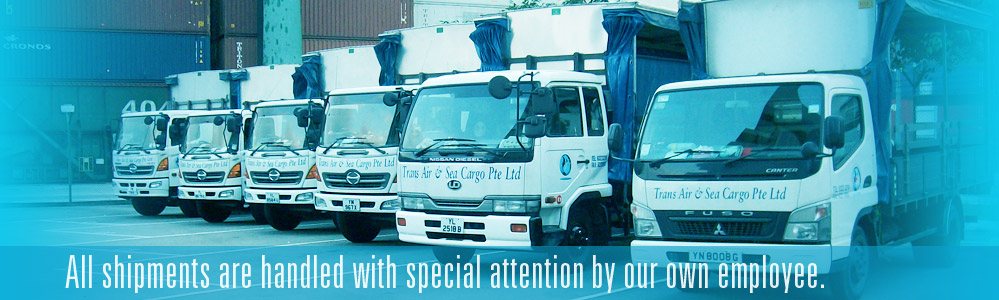
Sea Freight from Indonesia to Singapore – A Complete Guide
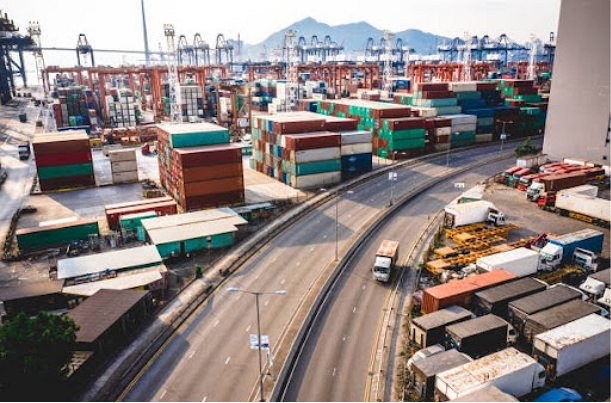
When it comes to international trade between Southeast Asian countries, sea freight from Indonesia to Singapore is one of the most popular and cost-effective shipping solutions. With Singapore’s strategic position as a global shipping hub and Indonesia’s role as a major exporter of natural resources, manufactured goods, and raw materials, sea freight offers businesses a reliable way to transport large cargo volumes. Whether you are an importer, exporter, or logistics manager, understanding the process, benefits, and costs of sea freight is essential to keeping your supply chain smooth and efficient.
Why Choose Sea Freight from Indonesia to Singapore?
Although air freight provides faster delivery, sea freight is often preferred for its cost savings and ability to handle bulk shipments. Here are the main reasons why businesses choose sea freight on this route:
- Proximity and Trade Ties-Indonesia and Singapore share close economic and geographic connections. The short distance makes shipping routes efficient, with vessels operating regularly between major Indonesian ports like Jakarta, Surabaya, Medan, and Batam to Singapore’s world-class port facilities.
- Cost-Effective Shipping-Compared to air cargo, sea freight offers much lower rates for large and heavy shipments. Businesses importing machinery, raw materials, or bulk consumer goods can save significantly by using container shipping services.
- Flexible Container Options-Shippers can choose between Full Container Load (FCL) or Less than Container Load (LCL) based on their needs. FCL is ideal for large shipments, while LCL allows smaller cargo owners to share container space and reduce costs.
- Capacity for Bulk Cargo-From textiles, food products, and electronics to chemicals and heavy machinery, sea freight can accommodate various cargo types, including oversized and hazardous goods.
Major Sea Routes from Indonesia to Singapore
Shipping lines operate multiple routes connecting key Indonesian ports to Singapore. Some of the busiest routes include:
- Jakarta to Singapore – A prime trade lane for industrial goods, consumer products, and raw materials.
- Surabaya to Singapore – Often used for agricultural exports, manufactured goods, and electronics.
- Batam to Singapore – With Batam’s proximity, this short-distance shipping is highly efficient.
- Medan (Belawan) to Singapore – Popular for palm oil, rubber, and other natural resource exports.
With Singapore’s advanced port infrastructure and Indonesia’s extensive maritime network, shipments are well supported by regular schedules and fast turnaround times.
Sea Freight Process – Step by Step
If you’re planning sea freight from Indonesia to Singapore, here’s what the process typically involves:
- Cargo Preparation-Goods are packed, labeled, and documented according to international shipping standards. Proper packaging ensures cargo safety during transit.
- Customs Clearance in Indonesia-Export clearance is completed at the port of origin. This includes filing export documentation, invoices, and permits as required by Indonesian customs authorities.
- Container Loading-Cargo is loaded into containers—either FCL or LCL—before being sealed and transported to the vessel.
- Sea Transit-The shipping duration is usually short, often taking 2 to 5 days depending on the port of origin.
- Arrival in Singapore-Once the vessel docks, containers are unloaded at the Port of Singapore. The importer or freight forwarder then completes customs clearance.
Costs of Sea Freight from Indonesia to Singapore
The cost of sea freight from Indonesia to Singapore depends on several factors, including:
- Container Size (20ft or 40ft)
- Shipping Mode (FCL vs LCL)
- Port of Origin (Jakarta, Surabaya, Batam, etc.)
- Cargo Type (general goods, refrigerated, hazardous)
- Additional Services (insurance, documentation, door-to-door delivery)
On average, sea freight costs are far lower compared to air cargo, making it an ideal option for businesses moving goods in bulk.
Tips for Smooth Sea Freight Shipping
To make the most out of your shipping operations, keep these tips in mind:
- Work with a reliable freight forwarder – They handle logistics, documentation, and customs clearance on your behalf.
- Plan ahead – Booking in advance ensures better rates and container availability.
- Understand customs requirements – Both Indonesia and Singapore have strict documentation policies.
- Insure your cargo – Protect your goods against potential risks during transit.
The Role of Freight Forwarders
Many businesses choose to partner with professional freight forwarders in Singapore or Indonesia to simplify the shipping process. Freight forwarders manage every aspect, from booking containers and handling customs clearance to arranging inland delivery. Their expertise saves time, reduces risks, and ensures cost efficiency.
Conclusion
Sea freight from Indonesia to Singapore remains a cornerstone of regional trade, providing businesses with a cost-effective, reliable, and scalable shipping method. With short transit times, frequent vessel schedules, and world-class port infrastructure, this trade route supports industries across Southeast Asia. By working with experienced freight forwarders and planning shipments strategically, businesses can optimize logistics and stay competitive in the market.
Tags:
Sea Freight from Indonesia to Singapore,Sea Freight from Indonesia to Singapore